Hydraulic Service and Heavy Equipment Maintenance Software: Work Orders, Parts, and Service History
In hydraulic service and heavy equipment maintenance workshops, when work runs on verbal instructions and scattered records, tracking of work orders, parts, and costs gets lost. How do you bring this process together with software?
Hydraulic service and heavy equipment maintenance workshops work with high-value equipment and usually with urgent jobs. An excavator or hydraulic unit sitting idle in the field means a direct loss of production for the customer. Even so, work in these workshops often runs on verbal instructions, scattered paperwork, and information kept in people's heads. In this article, we examine how to bring the hydraulic service and heavy equipment maintenance process together with software.
Typical problems of a workshop without software
- Lost work orders: It is not clear what was done to which machine, which technician worked on it, or the status of the job.
- Parts and stock confusion: Which part is left and in which job it was used cannot be tracked; stock is based on guesswork.
- No service history: Because it is not known what was previously done on the same machine, recurring faults go unnoticed.
- Unclear cost and pricing: Since the real labor and parts cost per job cannot be calculated, pricing is unsound.
Components of maintenance software
Work order management
Every job is opened as a work order: the machine/customer, the complaint, the work performed, the assigned technician, and the status (waiting / in progress / completed) are kept in one place. The status of all jobs in the workshop is visible in real time.
Parts and stock tracking
Every part used is recorded to the work order and automatically deducted from stock. It becomes clear which part is running low and when it needs to be reordered. Instead of guesswork, data-driven stock management is achieved.
Service history
Past operations are stored for each machine. When a machine returns, it is possible to see what was previously done; recurring faults and chronic issues come to light. This both shortens diagnosis time and builds customer confidence.
Cost and pricing
Because labor time and the parts used are tied to the work order, the real cost per job is calculated automatically. Pricing is based on data, not on guesswork.
Preventive maintenance reminders
Preventive maintenance dates are defined per machine; when the time comes, a reminder is generated. This makes planned maintenance possible before a breakdown occurs.
Together with fuel automation
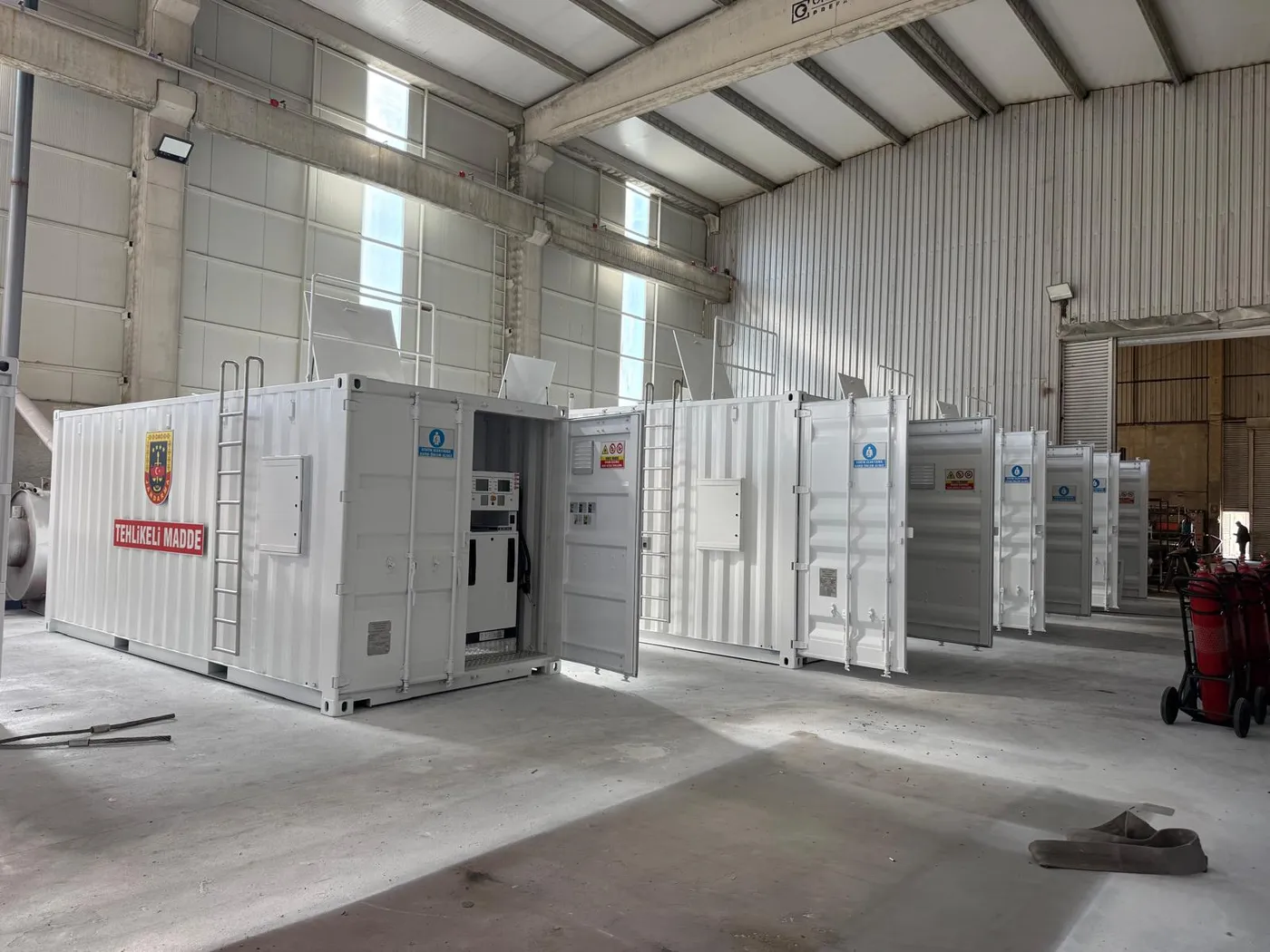
In businesses that operate a heavy equipment fleet, the picture becomes complete when maintenance software works together with fuel automation: both each machine's fuel consumption and its maintenance history are visible under one roof. The total cost of ownership of a machine (fuel + maintenance + parts) thus emerges clearly.
Conclusion
In hydraulic service and heavy equipment maintenance, when work is run with work orders, parts tracking, and service history instead of verbal instructions and scattered records, cost becomes visible and service quality increases. Software moves the workshop's know-how from the memory of individuals to a corporate system; this is the foundation of growth and consistent service.