Fuel Automation on Mine Sites: Heavy Fleet and Shrinkage Control
Mine sites mean large consumption, wide areas and 24/7 operation. At this scale even a small shrinkage rate is a serious cost. We explain how fuel control is set up for a heavy fleet.
Mine sites are perhaps the hardest environments for fuel management: high-volume consumption, wide areas, a heavy machine fleet and round-the-clock operation. At this scale, even a one-percent shrinkage rate turns into a serious cost by year-end. This guide covers why fuel automation is critical on a mine site and how it should be set up.
What makes a mine site different
- Scale: Truck, excavator and machine consumption is very high; small-percentage losses reach large amounts.
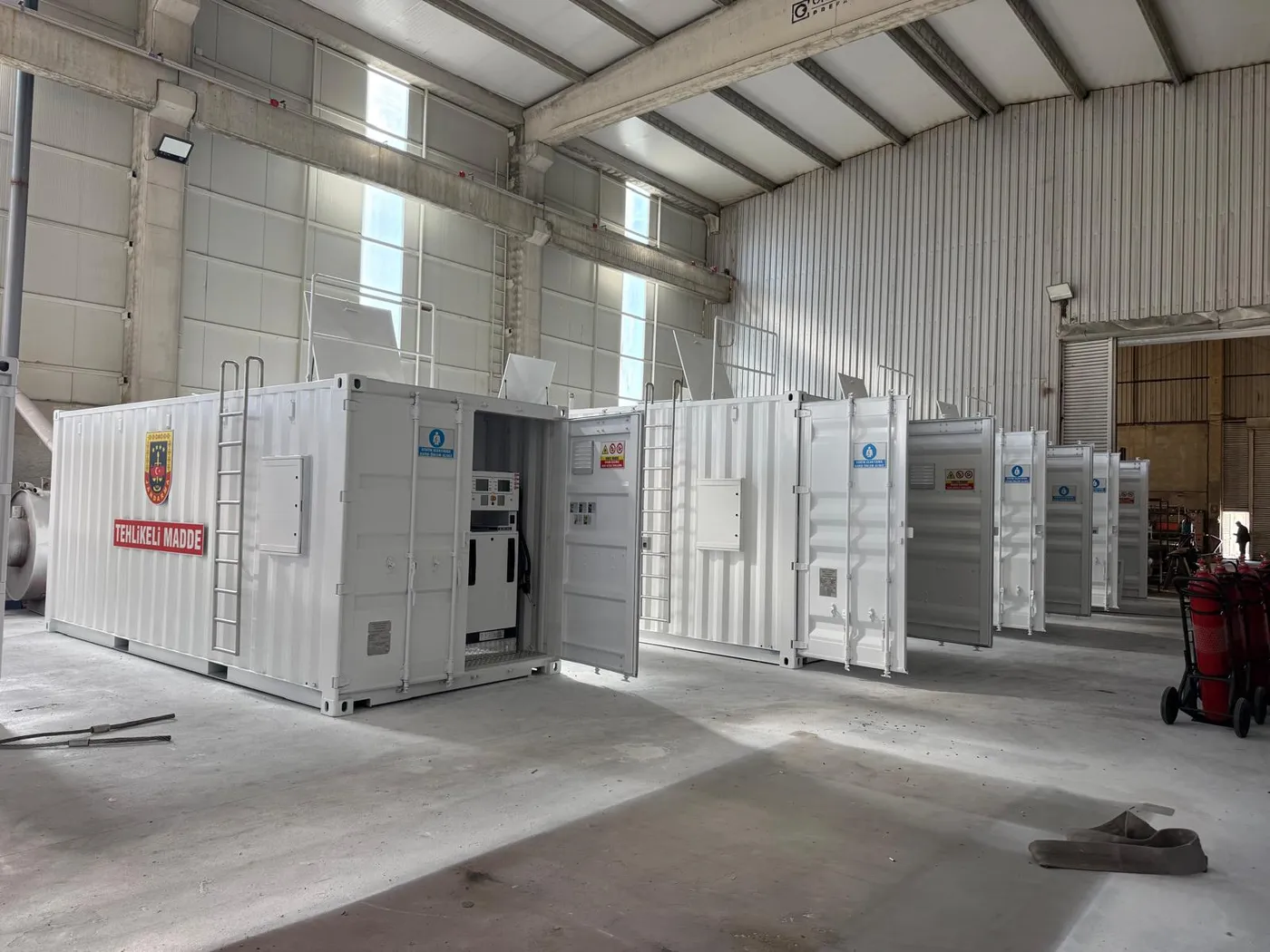
- Mobile refueling: There is often no fixed station; fuel is carried to the machine in the field by mobile tanker.
- Harsh hardware conditions: Dust, vibration and continuous operation require rugged field hardware.
- Shift pattern: Operations are uninterrupted; the recording system must match this pace without slowing the workflow.
Components of fuel control in a heavy fleet
Per-vehicle consumption tracking
Each truck and excavator's consumption is recorded per vehicle. So how much each machine burns, its liters/hour efficiency and its real cost become visible.
Mobile tanker automation
A meter and vehicle identification are integrated into the mobile tankers refueling in the field. Every refueling is recorded automatically with vehicle, operator, liters and location. Mobile refueling — the weakest point of control — is put on record.
Rugged hardware
Hardware suited to dust, vibration and harsh conditions runs uninterrupted in the field. The protection class is chosen per application.
Shift-based reporting
Consumption and efficiency are reported per shift. So the gap between shifts, unusual consumption and cost are clearly tracked.
Off-grid operation
On remote sites, off-grid operation is enabled with solar power and GSM; data synchronizes with the center once a connection is available.
Why is shrinkage control so critical at this scale?
At a small business, a one-percent shrinkage might seem tolerable. But at mine scale, the same rate corresponds to a large absolute amount. So the goal on a mine site isn't only to prevent theft but to make shrinkage measurable and manageable. Measured shrinkage can be reduced by identifying its source (abuse, waste, measurement difference, leakage).
Regional experience
In regions where mining and construction projects are intensive — such as the Caucasus and Central Asia — field conditions are especially harsh. In projects in these regions, rugged hardware, mobile-refueling automation and off-grid operation are the prominent requirements.
Conclusion
Fuel automation on a mine site delivers far higher returns than at small businesses because of the sheer scale. Per-vehicle tracking, mobile tanker automation, rugged hardware and shift-based reporting make shrinkage visible and manageable. The first condition of managing loss at scale is to measure it.