How to Prevent Fuel Theft and Losses on Construction Sites: A Complete Guide
On construction sites, fuel is the largest yet least visible expense. We explain where losses come from, why classic methods fall short, and how automation stops that loss at the source.
When you talk about a construction project's budget, the first items that come to mind are steel, cement, labor and machine rentals. Yet in most projects the line that quietly erodes the most is fuel. Machines, generators, service vehicles and mobile tankers burn diesel all day; but how much of that goes to real work and how much to loss and abuse is usually unknown. This guide covers the sources of fuel loss on site, why classic measures fall short, and how automated fuel management stops that loss at the source.
Why is fuel loss so large on construction sites?
The construction site is one of the hardest environments for fuel control, for several structural reasons:
- Many consumption points: Excavators, dozers, loaders, graders, rollers, generators, water pumps, service vehicles... each burns diesel at a different capacity and pattern.
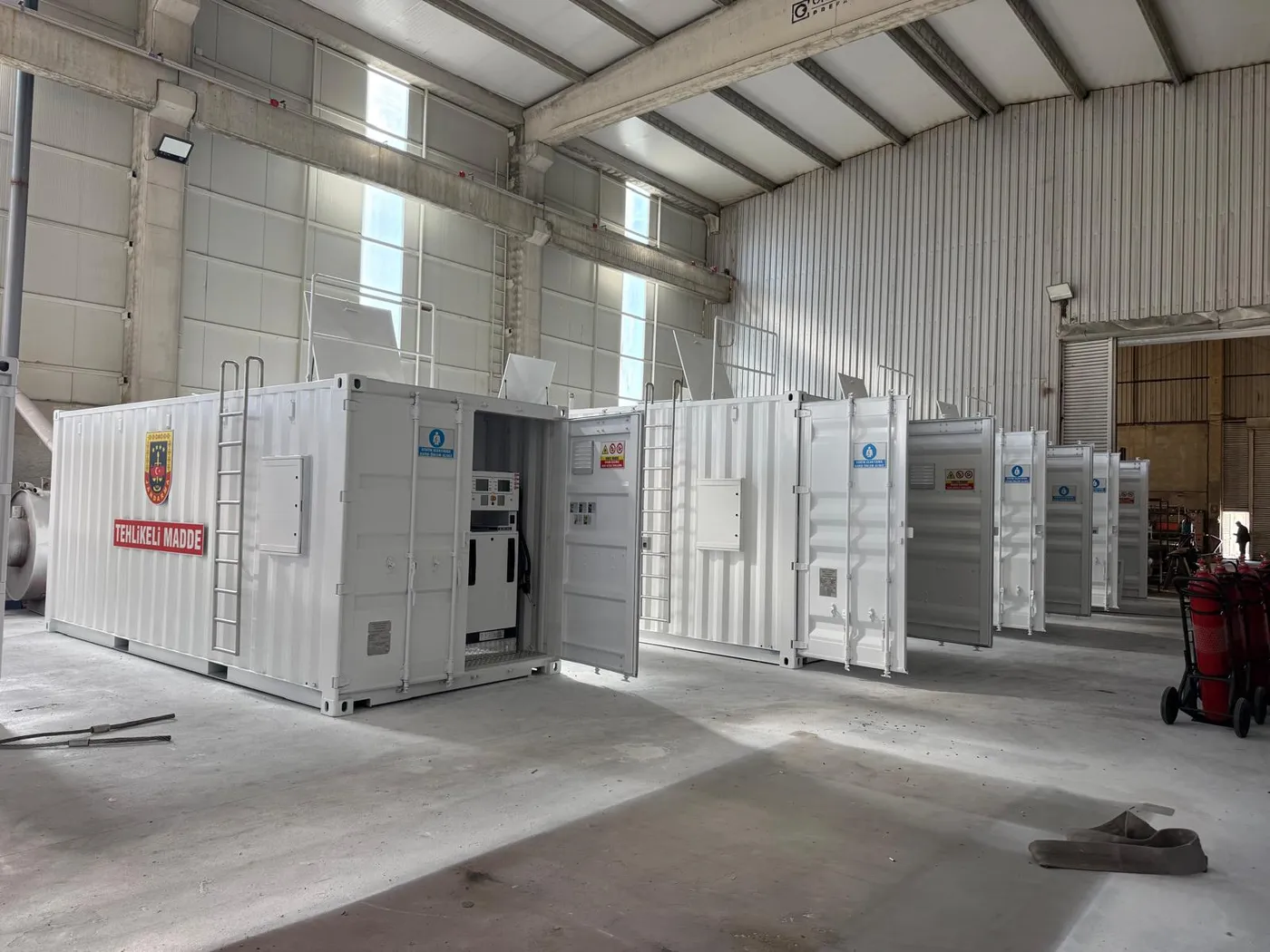
- Mobile refueling: Most sites have no fixed station; fuel is carried to the machine by mobile tanker. The moment and place of refueling is the weakest point of control.
- Harsh conditions: Dust, mud, remote locations and off-grid areas make classic measurement and recording methods impractical.
- Fast, shift-based pace: No one wants to stop and fill out a slip for "how many liters went to this vehicle." Records are either never kept or filled in later from memory.
Under these conditions, fuel loss comes not from a single cause but from several that feed each other.
The main sources of loss
1. Direct theft
The best-known but not the only cause. Withdrawing fuel from the tank by jerrycan, siphoning from vehicle tanks, unauthorized night refueling and short deliveries by tanker are the most common forms. In an uncontrolled tank, a few liters of daily withdrawal add up to a serious figure by month-end.
2. Overfilling and waste
Bad intent isn't always required. An operator overfilling the tank out of "there's plenty anyway," machines idling for long periods and generators running needlessly all create a large, unrecorded loss.
3. Unrecorded and estimated consumption
Most slip- or Excel-based records aren't real time; they're filled in at day's end from memory. When it's unclear how much went to which machine, reconciliation becomes impossible and the gap is written off as "loss."
4. Delivery and density differences
The quantity ordered by tanker and the quantity delivered don't always match. And when temperature-driven volume change (density) is ignored, a systematic difference forms between the liters measured and the actual amount.
5. Neglect and leakage
Worn hoses, leaking valves and miscalibrated meters are a loss source that runs unnoticed.
Why do classic methods fall short?
The most common methods on site are the locked tank, a guard, a slip book and an Excel sheet. They all share the same weakness: the accuracy of the record depends on a person, and it isn't real time.
- A locked tank doesn't stop an authorized person from making an unauthorized withdrawal.
- A guard can't verify every refueling by the liter.
- Slips and Excel, filled in later from memory, are useless for reconciliation; at most they tell you "how much we took," not "where it went."
So classic methods don't make loss visible; they only make you feel it exists. And an invisible loss can't be managed.
How does automation stop loss at the source?
The fundamental difference of automated fuel management is this: it automatically records every drop of fuel with who, when, which vehicle and how much. Control moves out of human memory and into the system. The main components that enable this are:
Authorized refueling with vehicle identification
Each machine and vehicle is assigned an identification unit (RFID tag or vehicle-ID unit). No fuel flows to an unregistered vehicle. Unauthorized refueling is prevented at the very first step; "who took it" is always answered.
Real-time level monitoring and alarms
Tank level is measured continuously by a level probe. An unexpected drop, night movement or critical level immediately raises an alarm. Even a single jerrycan withdrawal now leaves a trace.
Automatic, real-time recording
Every refueling is recorded automatically with vehicle, operator, liters, date-time and location. No slips, no filling in later. Data flows to the central panel.
Liter/hour analysis and anomaly detection
The system makes not only theft but also waste visible. Consumption per machine in liters/hour is calculated; an unusual gap between similar machines points to a problem (fault, leak or abuse).
Central visibility and reconciliation
At multi-site companies, all sites are gathered on one panel. The fuel entering the tank is continuously reconciled with the fuel dispensed to vehicles; ERP integration also matches it with accounting.
Typical results in practice
Sites that move to automation usually see these changes:
- A marked reduction in unrecorded withdrawals and night movements,
- The real cost per machine becoming visible for the first time,
- Excess consumption from idling and waste being noticed and reduced,
- Month-end reconciliation disputes giving way to clear reports.
Note: the real savings rate varies with site size, machine count and the existing level of loss. The right expectation isn't "a fixed percentage" but "loss becoming measurable and manageable."
Where to start? A practical roadmap
- Survey and current-state analysis: How many consumption points, which machines, how is refueling done? The current recording method and estimated loss level are mapped.
- Start from the priority point: Usually the busiest tank and the mobile tanker are automated first; that's where the biggest loss is.
- Vehicle-ID setup: Vehicle and operator definitions are made; permissions are set.
- Level monitoring and alarms: Tank level and critical thresholds are defined.
- Reporting and reconciliation: Per-machine consumption and stock reconciliation go live on the central panel.
- Roll-out: Other sites are added with the same pattern and unified on one panel.
Frequently asked questions
Does it work on sites without power and internet? Yes. Field units can operate offline; data synchronizes with the center once a connection is available. Solar-powered and GSM installation options are available.
Can it be installed on our existing tanks? Our hardware can be integrated with most existing tanks and pumps; after a survey, an appropriate installation plan is drawn up.
How many vehicles can be defined? An unlimited number of vehicles and operators can be defined; it scales as the fleet grows without additional licenses.
Conclusion
Fuel loss on site is usually less a "theft" problem than a "visibility" problem. A resource that isn't measured and recorded in real time inevitably erodes. Automated fuel management combines vehicle identification, real-time level monitoring and automatic reporting to turn fuel from a guessed expense into a managed line item. Make the loss on your site visible first; managing it is easy after that.